




10 Royal Family Facts Everyone Should Know

The British royal family has shaped London's history for centuries. Behind every palace, church and fortress is a story of coronations, traditions and centuries-old customs. Here are ten royal family facts you can discover while exploring the capital.




Highlights


Learn 10 fascinating royal family facts brought to life across London
Visit Buckingham Palace, the Tower of London, Westminster Abbey and more
Discover the closest landmarks and how to reach each royal location

What Are the Most Fascinating Royal Family Facts?
Every landmark holds a secret. These are the ones worth knowing before you arrive:
1. Buckingham Palace Has 775 Rooms
Buckingham Palace has been the official London residence of the British monarch since Queen Victoria moved in during 1837. Today it contains 775 rooms, including 19 State Rooms, 52 royal and guest bedrooms and 78 bathrooms.
One of the easiest royal family facts to spot for yourself is the flag flying above the palace. If the Royal Standard is flying, the monarch is in residence. If it's the Union Flag, they're away.
Closest landmark: Buckingham Palace (stop 19 or 47)
2. The Changing of the Guard Is Still a Working Military Ceremony
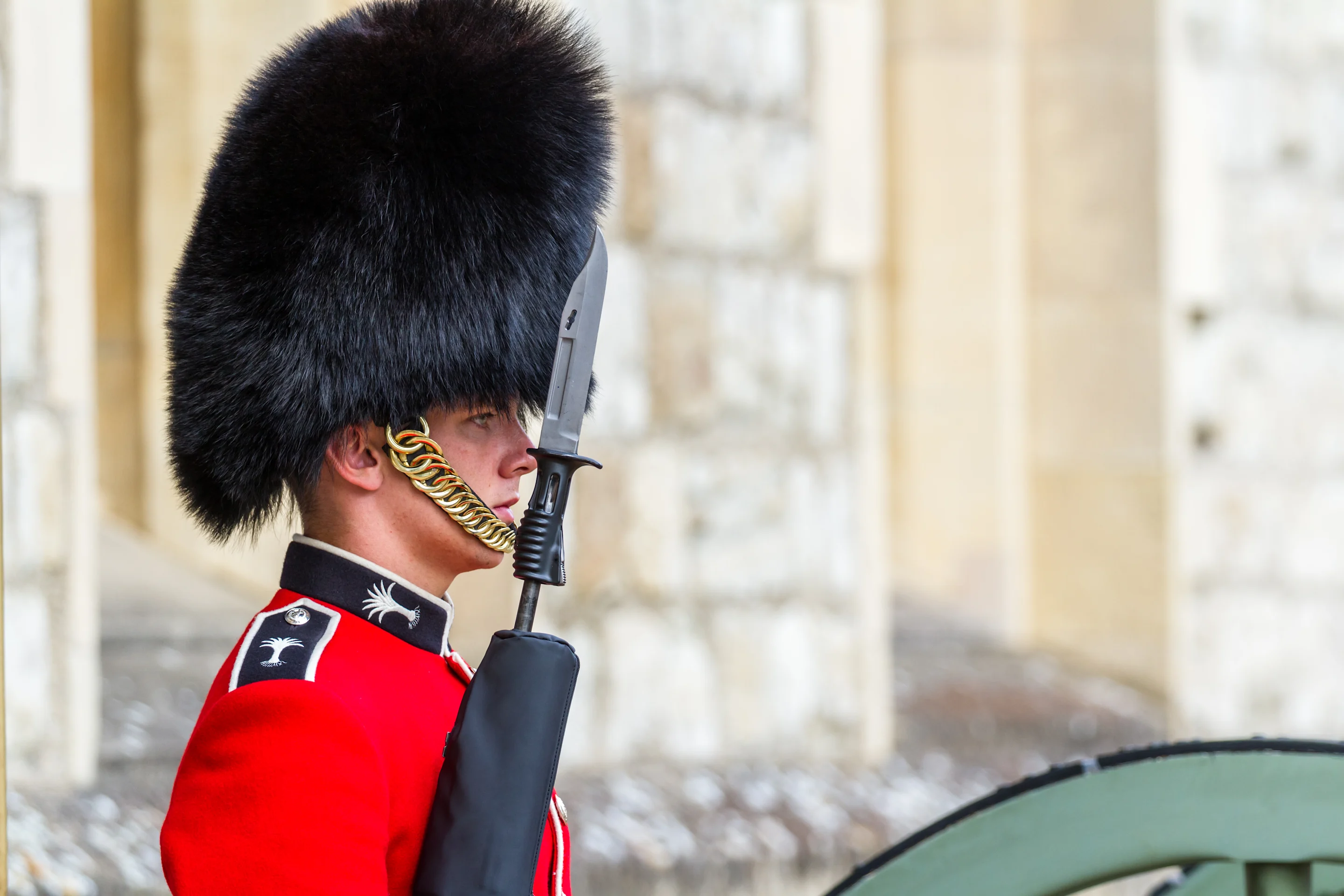
The famous Changing of the Guard isn't just for tourists.
The soldiers are active members of the British Army, and the ceremony marks the official handover of responsibility for protecting Buckingham Palace. Accompanied by a military band, it's one of London's most iconic traditions and completely free to watch.
Closest landmark: Buckingham Palace (stop 19 or 47)
3. The Tower of London Is Home to Six Royal Ravens
Legend says that if the Tower's ravens ever leave, the Crown and the Kingdom will fall.
To prevent that from happening, at least six ravens are always cared for by the Tower's dedicated Ravenmaster. Their wings are partially clipped to discourage long flights, but they roam freely around the fortress.
Closest landmark: Tower of London (stop 36)
4. The Crown Jewels Contain More Than 23,000 Gemstones
Hidden inside the Tower of London is one of Britain's greatest treasures.
The Crown Jewels include crowns, sceptres, swords and ceremonial regalia still used during royal coronations and state occasions. Together they contain more than 23,000 precious gemstones.
Closest landmark: Tower of London (stop 36)
5. Every Coronation Since 1066 Has Taken Place at Westminster Abbey
For almost 1,000 years, Westminster Abbey has hosted Britain's coronation ceremonies.
From William the Conqueror to King Charles III, every monarch since 1066 has been crowned beneath its magnificent Gothic arches. The Abbey has also welcomed royal weddings, funerals and national celebrations throughout history.
Closest landmark: Westminster Abbey (stop 29)
6. Windsor Castle Is the World's Oldest Occupied Castle
Although it's just outside London, Windsor Castle remains one of the Royal Family's most important homes.
Built almost 1,000 years ago, it is the oldest and largest occupied castle in the world, with around 40 monarchs having lived there over the centuries. It continues to be used for state occasions and official receptions today.
Closest landmark: Windsor Castle
7. Kensington Palace Was Queen Victoria's Childhood Home
Before becoming queen, Victoria was born and raised at Kensington Palace.
Today the palace remains a working royal residence and has also been home to generations of royals, including Diana, Princess of Wales, and the Prince and Princess of Wales.
Surrounded by Kensington Gardens, it's one of London's most peaceful royal attractions.
Closest landmark: Kensington Gardens (stop 9)
8. Horse Guards Parade Still Hosts Royal Ceremonies
Many visitors mistake Horse Guards Parade for Buckingham Palace's main entrance.
In fact, it's here that you'll often see the King's Life Guard standing on horseback, while the parade ground hosts major ceremonial events including Trooping the Colour, the Sovereign's official birthday celebration.
Closest landmark: Whitehall (stop 27 and 28)
9. St James's Palace Is Older Than Buckingham Palace
Although Buckingham Palace receives most of the attention, St James's Palace remains one of the monarchy's oldest royal residences.
Built by Henry VIII in the 1530s, it still plays an important ceremonial role today and is used for official receptions and royal announcements.
Closest landmark: St James's Park
10. Royal Parks Once Belonged Exclusively to the Monarchy
London's beautiful Royal Parks were originally created as private hunting grounds for kings and queens.
Today they're open for everyone to enjoy, from picnics in Hyde Park to walks through St James's Park, offering a glimpse of the landscapes once reserved for royalty.
Closest landmark: Hyde Park (stop 5 or 48) or St James's Park
How Do You Get to London's Royal Landmarks?
Our Hop-On Hop-Off London bus tour stops close to many of the city's most famous royal attractions, making it easy to discover centuries of history in one day.
Near Buckingham Palace (Buckingham Palace & Changing of the Guard)
Near the Tower of London (Ravens & Crown Jewels)
Near Westminster Abbey (Coronation church)
Near Whitehall (Horse Guards Parade)
Near Kensington Gardens (Kensington Palace)
Near St James's Park (St James's Palace)
5 min read
Related Articles

The 10 Most Famous Film Locations in London You Have to Visit
Famous Places in London · 5 min read
10 Harry Potter Locations in London for Muggles
Famous Places in London · 5 min read